|
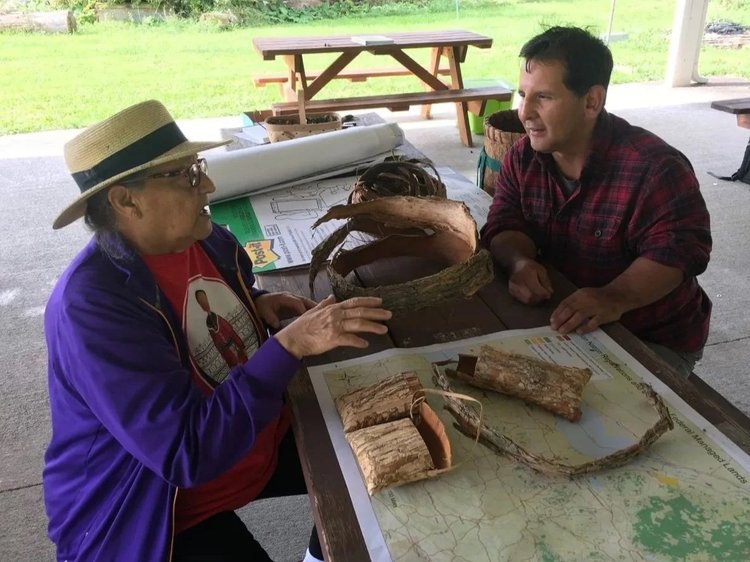
In the early days of Whose Land, an Oneida friend put me in touch with Neil Patterson. Neil directs the Center for Native Peoples and the Environment in Syracuse, a program founded by Robin Wall Kimmerer. The Center is now one of our partners and Neil an advisor. I still think about our first conversation three years ago. Neil was both charming and direct. Though an extremely warm person, I doubt he loses sleep over reassuring well-meaning people. “Land acknowledgements are fine,” he said, five minutes into our conversastion, “but what we really need is our land back.” Then he said something about executing land justice that has stuck with me: “When they bring all of the stakeholders together to talk land management,” Neil told me, “the land has to have a seat at the table.” I liked this idea – a non-human presence advocating for itself. If not easy to visualize, the idea made sense at a core level. Of course a person would sit in that seat, Neil said. But that person would be under solemn obligation to serve as an honest and direct proxy for the land itself. Neil urged holding two ideas at the same time: The land as separate from humans and at the same time represented by them. In more recent conversations, Neil has continued to emphasize complexity - of the meaning of “ownership,” of the process of rematriation, of negotiating non-Native impulses to do good. He cautions against burdening tribes. The Land Back process is not always “giving land back” as a single and simple gesture, Neil will tell you. It requires careful, slow collaboration with tribal partners. And it can take different forms - from tribal access to land without the transfer of ownership to an exchange of trustee rights and responsibilities between tribes and holders of deeds to outright possession or co-possession of land. We are not a direct agent of land transfers at Whose Land. Nor do we have simple answers to how the process should work. But we do know that these concepts and complexities become clearer and more meaningful through history, through sharing stories, and through dialogue. To all of these ends, we are all in. Thank you for being part of our community. James
|